Thinking about buying in St. Louis’s Central West End and wondering if it fits your lifestyle and budget? You are not alone. Many buyers compare several city and central corridor neighborhoods before they choose. In this quick guide, you will learn what types of homes are common, how pricing and timelines tend to work, and what to watch for with condos and historic homes in the Central West End. Let’s dive in.
Why buyers choose Central West End
You get a walkable, established neighborhood that blends residential streets with restaurants, shops, and culture. Forest Park borders the area, and the MetroLink Central West End station adds convenient transit access. The nearby Washington University and Barnes-Jewish medical complex drives steady demand from medical and university professionals.
Along Euclid and Maryland, you will find a mix of dining and retail that supports a lively, day-to-night environment. Many buyers pick the Central West End for the location and urban feel, even if they trade some private outdoor space or on-site parking to get it.
Home types you will find
Condominiums
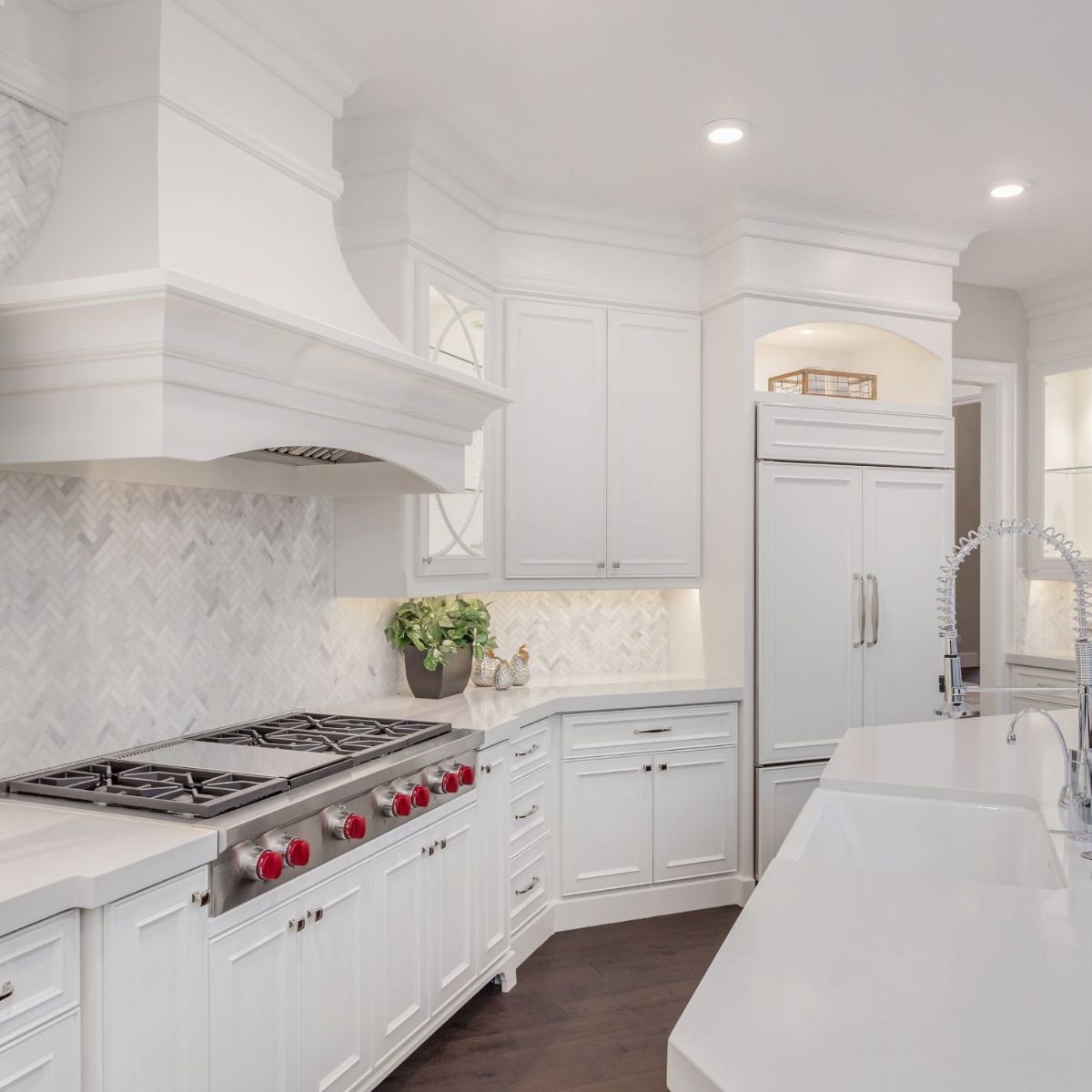
Condo options range from converted mansions and rowhouses to mid-century buildings and modern high-rises. Unit sizes and finishes vary widely. Expect HOA fees that may cover building maintenance, insurance, and sometimes utilities. Financing can be stricter if the building has a high investor share or pending litigation, so plan your lender conversations early.
Historic single-family homes
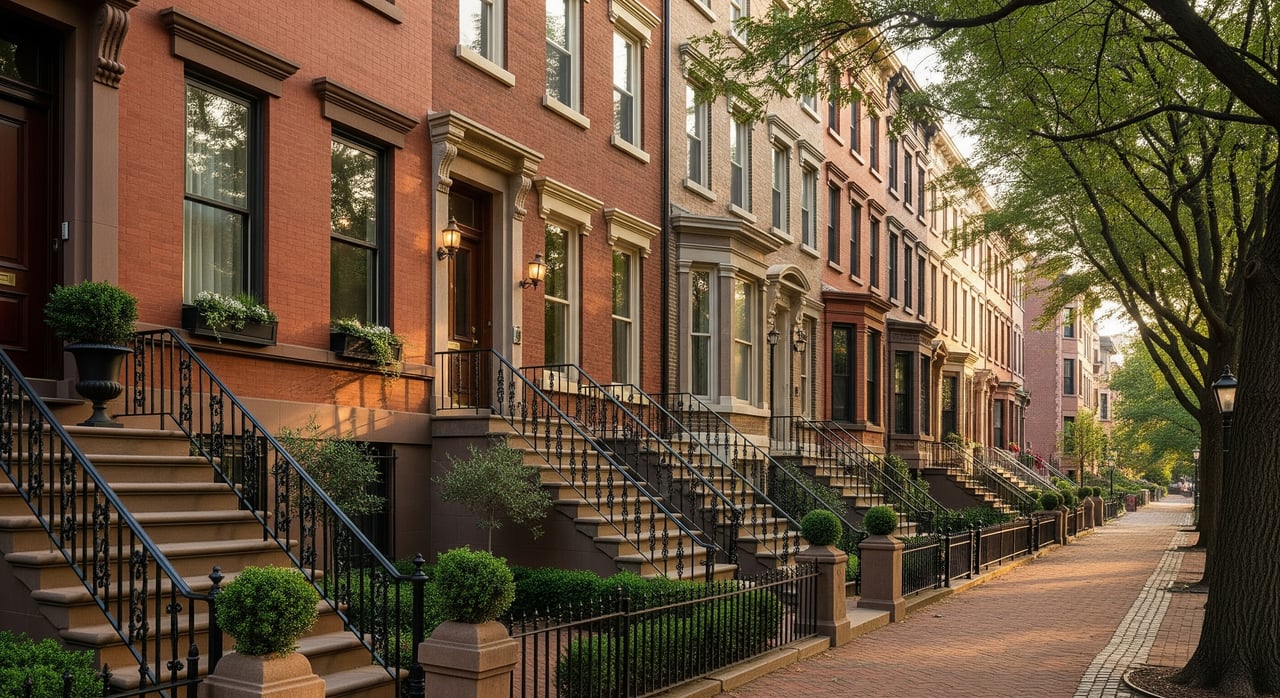
Victorian and period brick homes line many blocks. These homes often include architectural details and can sit within preservation overlays. Older systems and materials may require more maintenance. If you plan exterior changes, you may need review and approval through historic channels.
Brownstones and rowhouses
Narrow, multi-story homes with an urban footprint are common on older blocks. These homes offer a classic city feel and often trade at a different pace and price point than condos.
New and infill options
New supply is limited compared to suburban areas, but you will see selective modern condo or mixed-use projects. Conversion projects are common. Inventory is shaped by lot sizes and preservation guidelines, so buyers should be ready when the right fit appears.
Parking, transit, and daily life
Parking varies by property. Street parking, resident permits, and a mix of garages or deeded spaces are possible, but not guaranteed. High walkability and the MetroLink station make car-light living realistic for many residents. If you own a vehicle, confirm parking details for each listing before you tour.
Read the market at a glance
Local numbers shift month to month. Before you make a move, check a fresh snapshot by property type. Use your agent’s MLS data or a current St. Louis Realtors report.
Key metrics to update:
- Median sale price, condos: [update with MLS figure]
- Median sale price, single-family: [update with MLS figure]
- Average days on market: [update, condos and single-family]
- List-to-sale price ratio: [update with percentage and time window]
- Active listings and months of supply: [update]
- Common financing mix: [share of cash vs loans if available]
As of [update month/year], insert the most recent figures here with a source line like: Data from [MLS name or St. Louis Realtors] as of [month/year].
If quartiles are available, add helpful ranges:
- Condos: Typical sales ranged from about $[25th percentile] to $[75th percentile], with many units clustering between $[mid-low] and $[mid-high].
- Historic single-family: Sales often ranged from about $[25th percentile] to $[75th percentile], with larger or fully renovated homes sometimes exceeding $[upper range].
What list-to-sale tells you
The list-to-sale price ratio shows how close sale prices land to final list prices. It helps you gauge competition and negotiation room.
Formula: List-to-sale ratio = (Sale Price ÷ Last List Price) × 100.
Example only: If the average last list price for condos in the prior 90 days was $350,000 and the average sale price was $340,000, the ratio would be (340,000 ÷ 350,000) × 100 = 97.1 percent. A higher ratio often signals tighter conditions. A lower ratio may suggest more room to negotiate. Always pair this metric with days on market and inventory to get the full picture.
How fast homes sell
Well-priced, well-presented condos and smaller single-family homes often move quickly in urban neighborhoods like the Central West End. Unique or higher-priced historic homes can take longer to find the right buyer. Update the average days on market before you tour so you can pace your search and be ready to write promptly if a match appears.
Shorter days on market usually point to strong demand. Longer days on market can open the door to timing and terms that work in your favor.
Closing timelines to expect
Most financed purchases close in about 30 to 45 days if the process is straightforward. Cash deals can close faster, often in 7 to 14 days, assuming a smooth title path. Timelines can stretch to 45 to 60 days or more for FHA or VA loans, manual underwrites, complex title work, or if the seller needs a leaseback.
Variables that affect timelines:
- Financing type and lender turn times
- Appraisal scheduling and appraisal conditions
- Inspection findings and agreed repairs
- Title research and payoffs
- HOA document turnaround for condos
Condo checkpoints before you write
Condo transactions include building-level reviews that can influence financing, timing, and costs.
- HOA fees and budget: Fees vary with building size and amenities. Review the budget and what the fees cover. Larger high-rise amenities often mean higher monthly costs.
- Owner-occupancy and investor ratios: Some loan types limit buildings with high investor shares. Your lender may require extra documentation.
- Resale certificates and estoppels: Plan time for the HOA to produce resale documents. The speed of this step depends on the association’s responsiveness.
- Certifications and litigation: Lenders may request a condominium certification and ask about pending litigation. This can add days to your timeline.
Request HOA documents early so you have time to review and your lender can underwrite the building while you complete inspections.
Historic-home checkpoints
Older homes offer charm and craftsmanship, and they bring specific due diligence needs.
- Inspections: Plan for detailed checks of roof, mechanicals, plumbing, electrical, and pest conditions. Findings can trigger repair timelines or credits.
- Preservation review: If the home sits in a local historic district or under a preservation overlay, exterior changes may require review and approval.
- Insurance and underwriting: Older materials and systems may affect insurance terms and underwriting. Discuss coverage early and price in any needed warranties or updates.
Smart steps to buy with confidence
- Get a full pre-approval, not just a prequalification.
- Work with a lender experienced in St. Louis and Central West End condos if you are buying a condo.
- Confirm parking details for each listing, including deeded spaces or permit options.
- Ask the listing side to order HOA resale documents at listing so you can review early.
- Use a local title company that knows St. Louis City processes.
- Align your offer terms with the market snapshot, including closing timeline, inspection windows, and appraisal strategies.
Ready to explore the Central West End?
If you want boutique guidance with data-backed strategy, our team is here to help you compare options, read the market, and move with confidence. We bring deep neighborhood knowledge across the central corridor and a disciplined approach to buyer representation. Connect with the Andel-White & McDonald Real Estate Group to start your Central West End search. List Well. Buy Smart.
FAQs
What should a first-time Central West End buyer know?
- Expect strong demand near Forest Park, major medical centers, and transit. Compare condos and single-family homes by price point and lifestyle needs, and update market metrics before you write an offer.
How much are HOA fees for Central West End condos?
- Fees vary widely by building size and amenities. Boutique buildings can be modest, while high-rises with amenities are often higher. Review fees and budgets from recent listings before you commit.
How competitive are offers in the Central West End right now?
- It depends on the segment and price point. Entry-level condos can draw multiple offers if priced well, while higher-priced historic homes may see fewer offers. Check the latest list-to-sale ratio for a current read.
How long does a Central West End condo purchase take?
- Many financed purchases take about 30 to 45 days. Condo documents, lender certifications, and appraisal scheduling can extend timelines. Cash deals can move faster if title is clear.
Do historic district rules affect Central West End renovations?
- Yes. Exterior changes may require review and approval if the home is in a local historic district or overlay. Verify the property’s status and plan for approvals before you schedule work.
Is parking included with Central West End homes and condos?
- Parking varies by property. Some listings include deeded or garage spaces, while others rely on street or permit parking. Confirm parking terms and any fees early in your search.